

10 Nutrition Tips the French LIVE RIGHT
What if eating well had less to do with restriction and more to do with how we eat?
One of the most interesting things about French food culture is that the French don't necessarily eat what Americans traditionally think of as “health food.” Bread, cheese, butter, pastries, chocolate and even sugar can all have a place at the table.
And yet, French food culture has long been associated with a more relaxed, intentional approach to eating. This observation is sometimes referred to as the “French Paradox”—the idea that certain traditional French eating habits seem to coexist with relatively favorable health outcomes, despite a diet that may include foods Americans often consider indulgent.
Of course, the French aren't immune to obesity or chronic disease, and there is no single “French diet” that guarantees good health. But there are some French-inspired lifestyle habits worth borrowing.
The good news? Most of them don't require a complicated meal plan, expensive supplements, or eliminating your favorite foods.
They are simple, sustainable habits that can help you become more mindful of what, when, and why you eat.
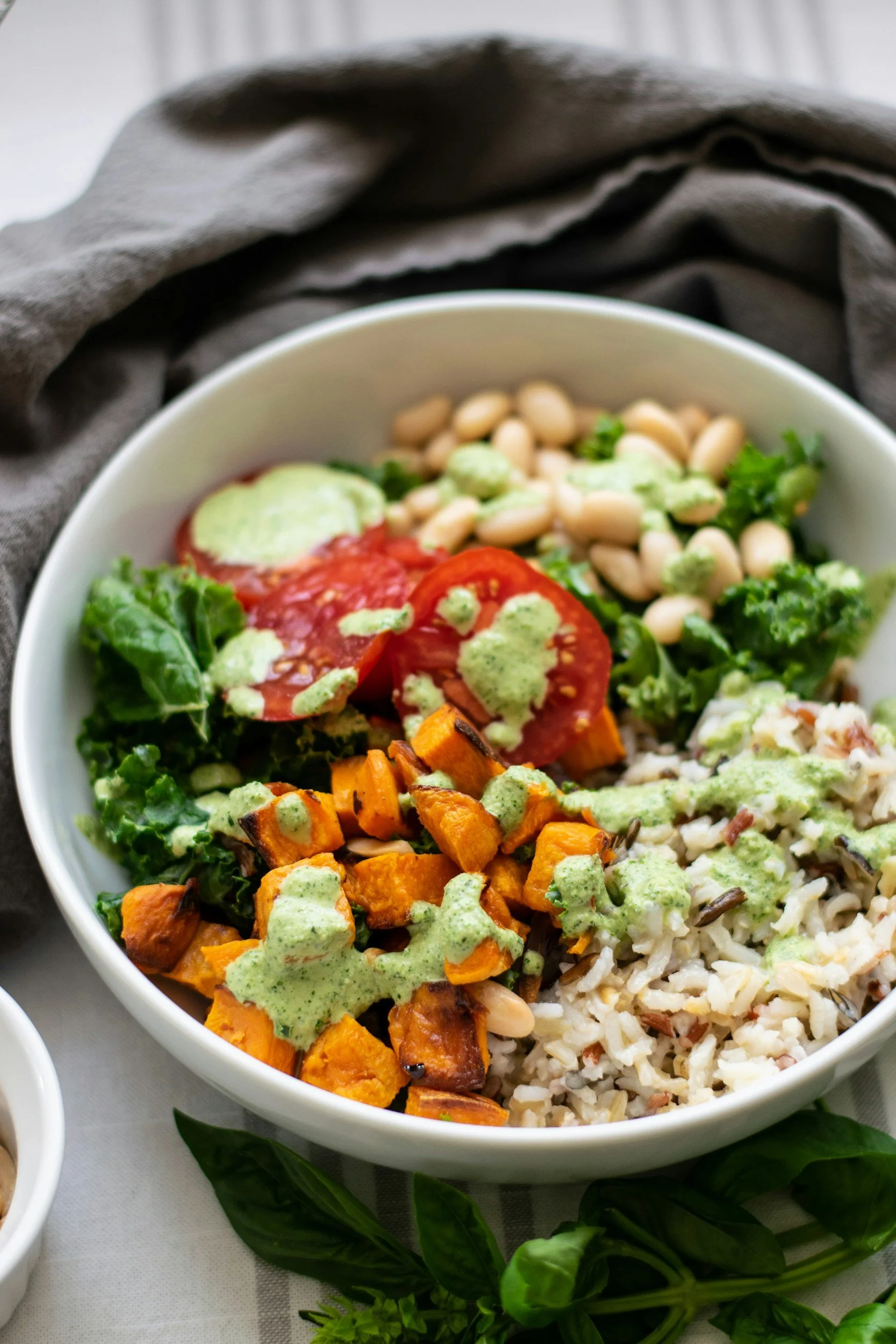
1. Prioritize Food Quality Over Quantity
French food culture tends to place a strong emphasis on quality, freshness, and enjoyment rather than simply getting the biggest portion for the lowest price.
Think about the difference between a small piece of high-quality chocolate savored slowly and an oversized dessert eaten mindlessly. The experience—and often the satisfaction—can be completely different.
Instead of automatically choosing the largest portion, an extra serving, or “free refills,” try building meals around foods that are genuinely nourishing and satisfying.
A balanced plate might include:
A good source of protein
Plenty of vegetables or fruit
Fiber-rich carbohydrates
Healthy fats
Foods you genuinely enjoy
When your meal contains enough protein and fiber, you're more likely to feel satisfied and stay full longer.
Try this: Before going back for seconds, pause for a few minutes and ask yourself, “Am I still physically hungry, or am I eating because the food is there?”
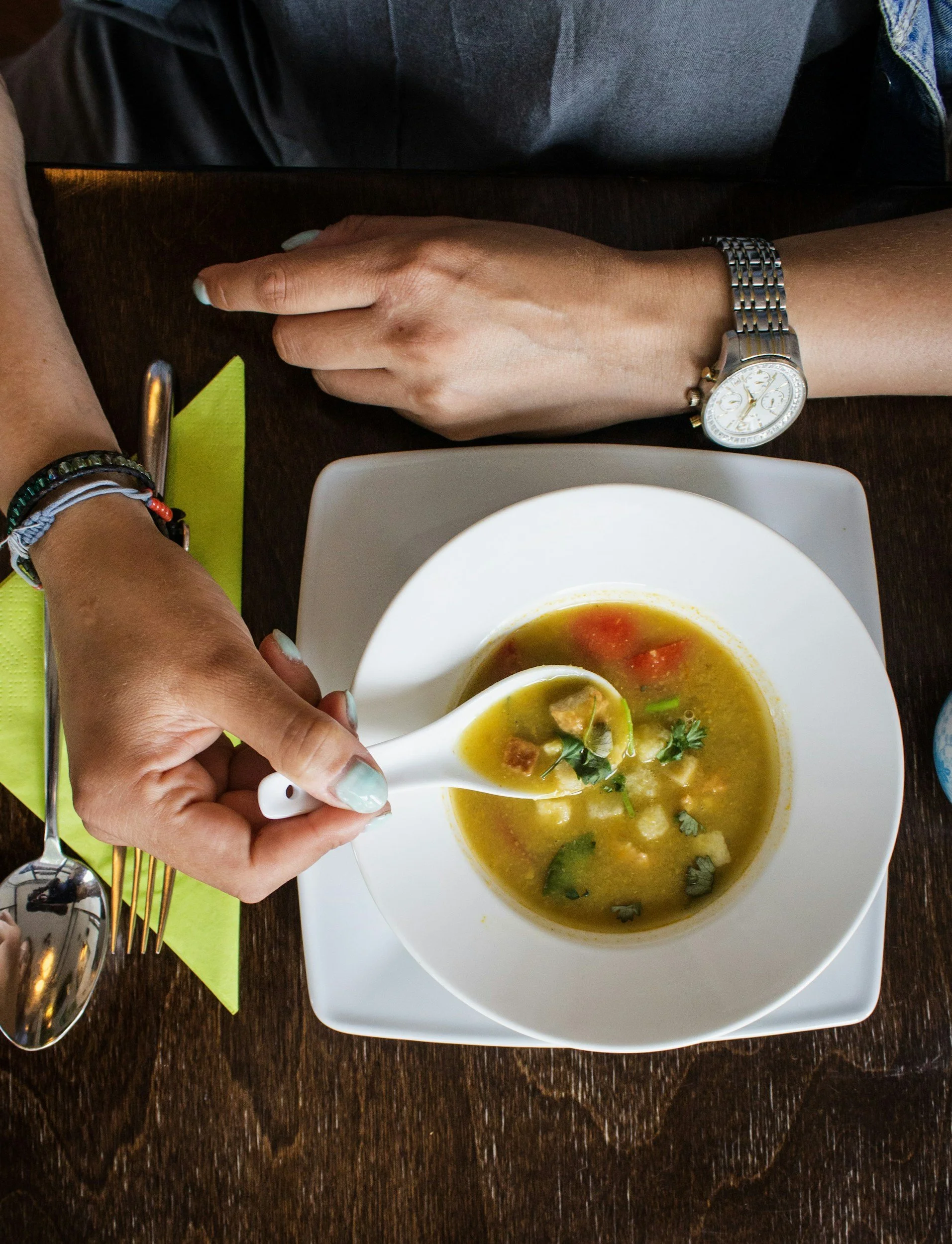
2. Make Meals an Event, Not a Side Activity
One of the biggest differences between traditional French eating culture and modern American eating habits is how much attention is given to the meal itself.
Eating doesn't have to be something squeezed between meetings, consumed in the car, or eaten while scrolling through your phone.
Instead, sit down. Put the food on a plate. Talk to the people around you. Notice the flavors and textures.
This is a form of mindful eating, and it can make a surprising difference in how satisfied you feel after a meal.
When we're distracted, it's easy to eat quickly and miss the signals telling us that we've had enough. Slowing down gives your body and brain more opportunity to communicate.
Try this: For one meal each day, put your phone away and give the meal your full attention.
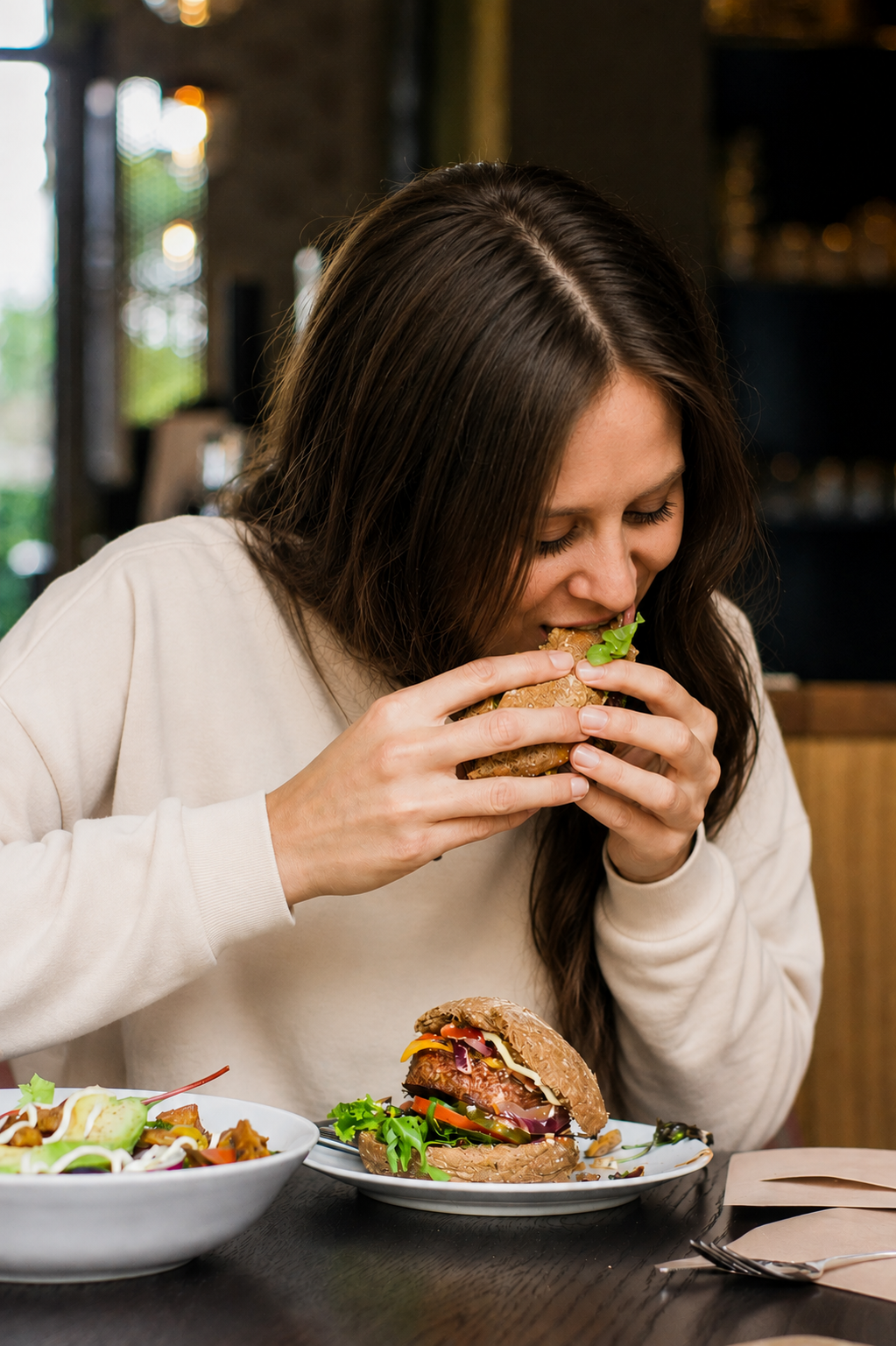
3. Slow Down and Chew Your Food
How quickly you eat can affect how much you eat—and how comfortable you feel afterward.
I encourage my family, and myself, to practice slowing down by focusing on the first several bites of a meal. Try chewing each bite thoroughly rather than rushing to the next one.
You don't necessarily need to obsess over a specific number of chews, but chewing your food well and eating slowly gives you more time to enjoy your meal and may support comfortable digestion.
Slowing down can also help you recognize fullness before you've eaten more than you need.
Try this: For your first 10 bites, put your fork down between bites and focus on chewing and tasting your food.
You may be surprised by how different the meal feels when you aren't rushing through it.
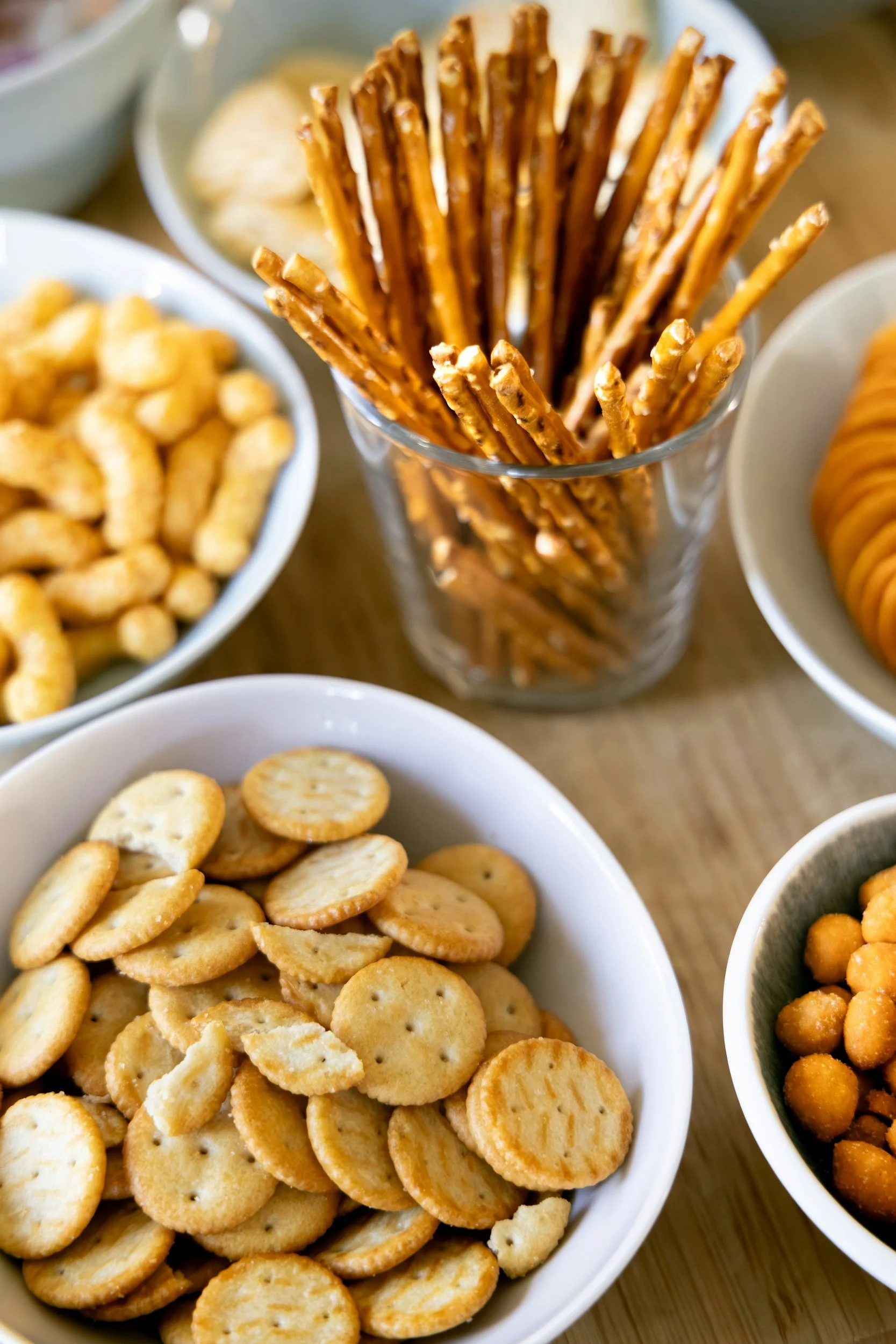
4. Cut Back on Constant Snacking
Do you find yourself grazing from morning until bedtime?
A handful of nuts here. A bite of your child's snack there. A protein bar in the afternoon. A few crackers while making dinner.
Even when those foods are nutritious, constant eating can make it difficult to recognize true hunger and fullness.
Rather than automatically eating every few hours, try creating more intentional meals and allowing your body some time between them.
Your appetite is influenced by a complex network of hormones and signals, including ghrelin, leptin, and GLP-1. These systems help communicate hunger, fullness, and energy balance.
That doesn't mean everyone needs to follow a strict eating schedule or fast between meals. Some people genuinely need snacks because of their activity level, schedule, age, or nutritional needs.
The goal is simply to move away from mindless grazing and toward intentional eating.
Try this: Before reaching for a snack, ask yourself, “Am I actually hungry, or am I bored, stressed, thirsty, or simply accustomed to eating right now?”

5. Walk More
You don't have to spend an hour at the gym every day to make movement part of your lifestyle.
Walking is one of the simplest forms of physical activity, and it can be especially helpful after meals. Your muscles use glucose for energy, so movement helps your body manage blood sugar after eating.
A goal of around 7,500 steps per day can be a practical target for many people, but don't let a step count become another source of stress. Start where you are and gradually increase your daily movement.
And if walking isn't practical, try adding small bursts of movement throughout your day.
For example:
Take a short walk after meals.
Park farther away.
Take the stairs.
Stand up every hour.
Do a few bodyweight squats.
Work in the garden.
Play outside with your kids.
Movement doesn't have to look like a workout to benefit your body.
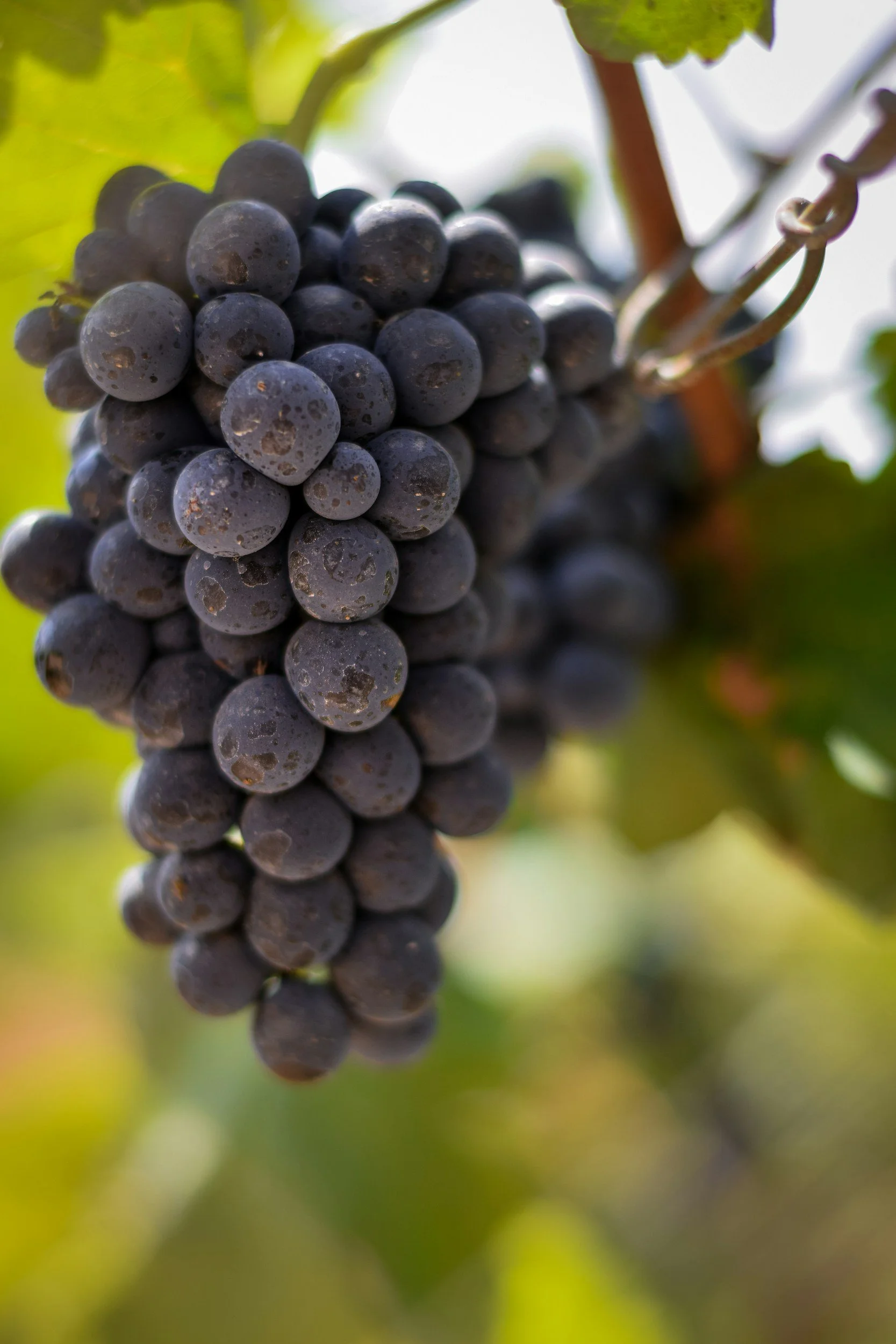
6. Real Food Is Normal Food
In France, fruits and vegetables don't have to be labeled “diet food” or “healthy food.”
They're simply food.
That is an important mindset shift.
Instead of thinking, “I need to eat vegetables because I'm trying to be healthy,” think, “Vegetables are simply part of a normal meal.”
The same goes for fruit, beans, whole grains, eggs, fish, meat, dairy, nuts, seeds, and other minimally processed foods.
A healthy eating pattern doesn't need to feel like a temporary diet. It should look like normal life.
The goal isn't perfection. It's creating a pattern where nutrient-dense, minimally processed foods make up the foundation of what you eat.
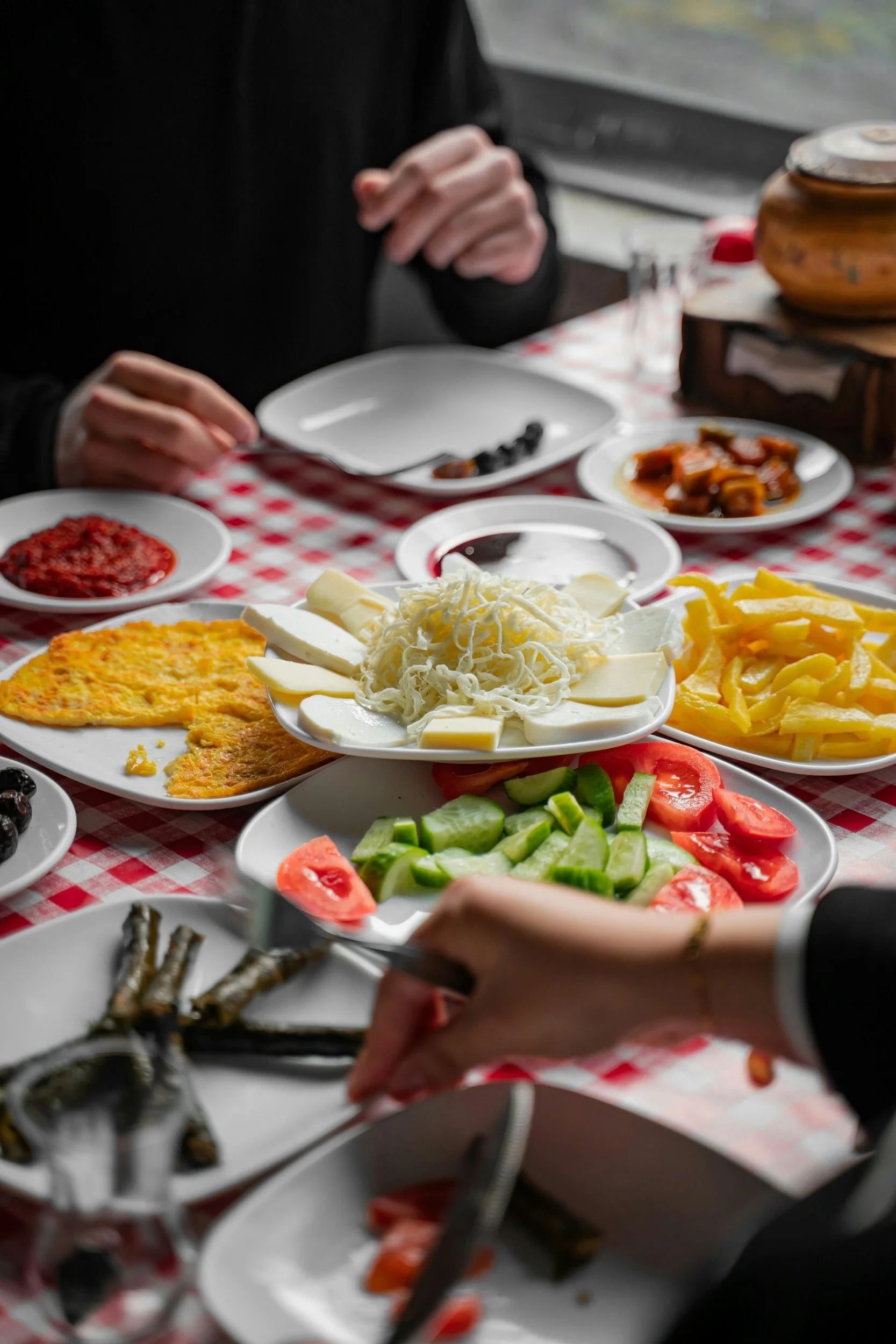
7. Eat Together
Food is about more than nutrients.
It's also about connection.
Sharing a meal with family or friends creates opportunities to talk, laugh, listen, and build relationships. Those social connections are an important part of overall well-being and are associated with healthier, longer lives.
This is one of my favorite aspects of the French approach to food: the meal can be a time to slow down and connect.
Put the phones away. Ask questions. Talk about your day. Let dinner take a little longer.
Your body needs nourishment—but so does your mind and your heart.
Try this: Make one meal each day or week a screen-free family meal.
It doesn't have to be fancy. Soup and sandwiches around the kitchen table count.
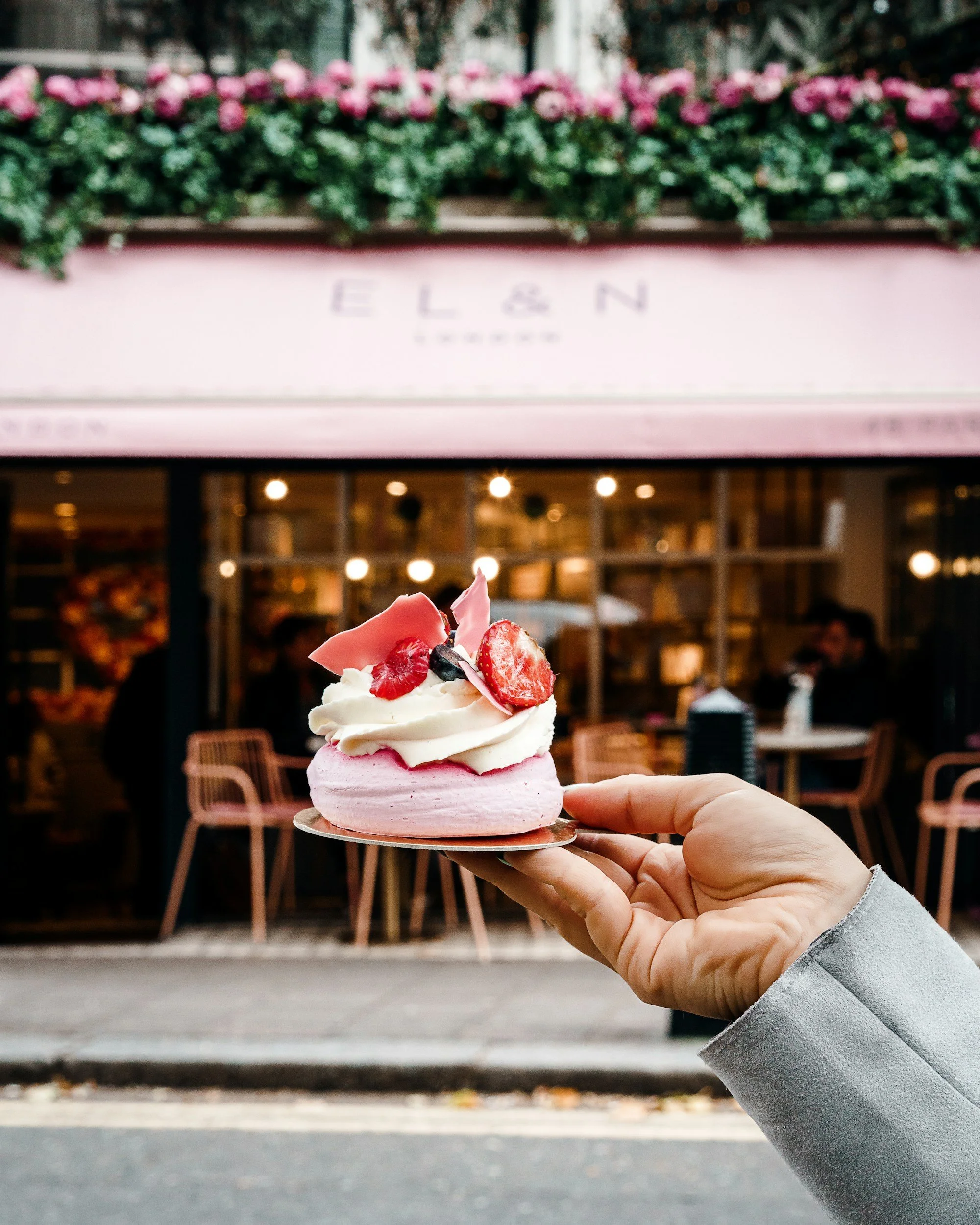
8. Make Dessert Small and Intentional
French food culture doesn't necessarily mean saying “no” to dessert.
Instead, dessert can be small, intentional, and enjoyed.
A few bites of high-quality chocolate. A small pastry. Fresh fruit with yogurt. A few spoonful’s of your favorite dessert.
The point isn't to make dessert forbidden. In fact, completely eliminating foods you love can sometimes make them even more tempting.
Instead, practice moderation and awareness.
It's also important to remember that added sugar is something to keep in moderation. The American Heart Association recommends limiting added sugar, although individual needs vary.
Rather than obsessing over never eating sugar, focus on the bigger picture: How often are you eating highly sweetened foods, and what does the rest of your diet look like?
You can enjoy dessert without turning it into an everyday free-for-all.
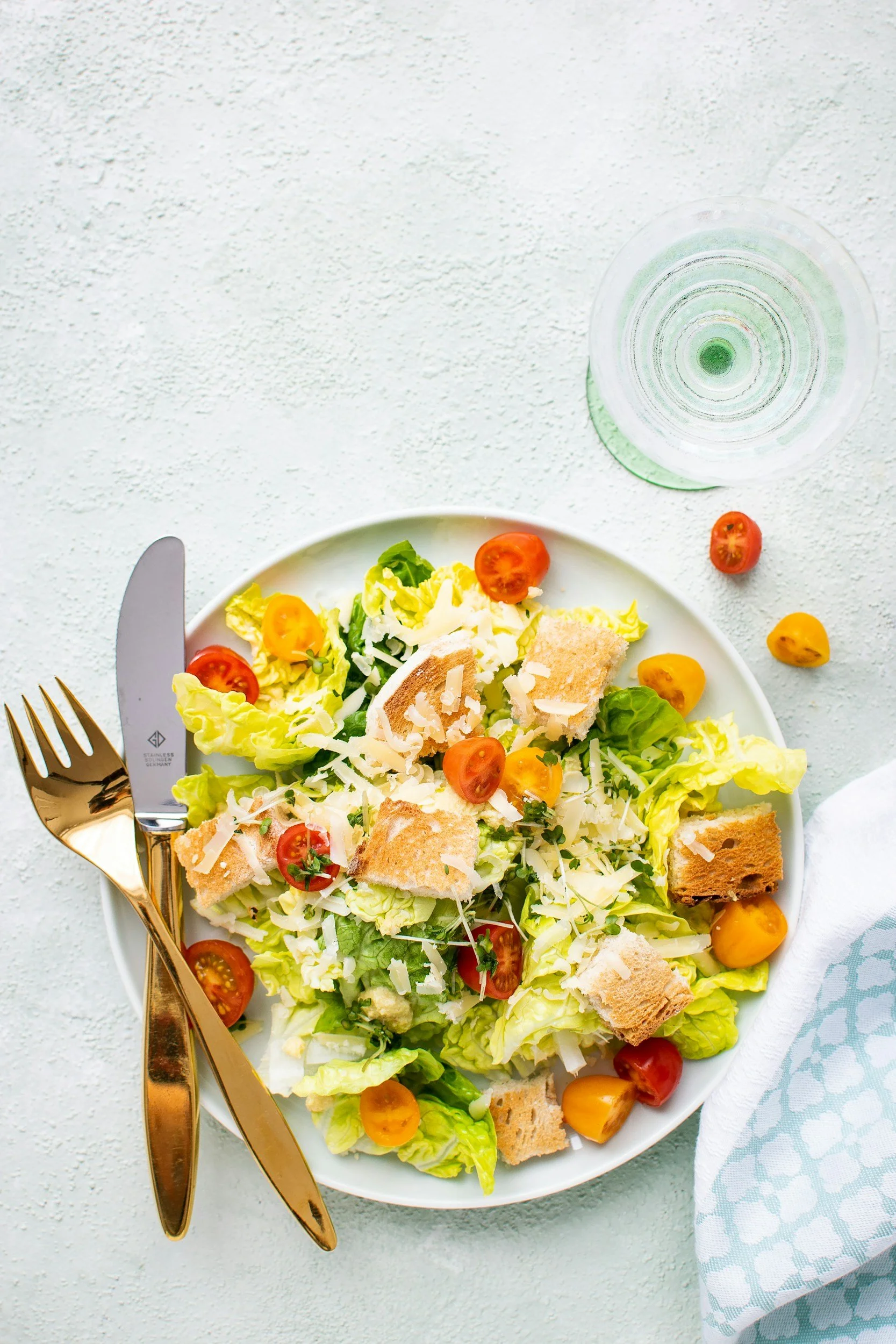
9. Don't Skip a Nourishing Lunch
For many Americans, lunch has become an afterthought. Maybe it's a protein bar eaten at your desk. Maybe it's a handful of crackers between meetings. Maybe you skip lunch altogether and find yourself starving by dinner.
Instead, consider making lunch a real meal.
A nourishing lunch can help provide the protein, fiber, healthy fats, and carbohydrates your body needs to get through the afternoon.
If you exercise, eating a balanced meal after your workout can also be an important opportunity to replenish your body.
Rather than trying to eat as little as possible during the day and then relying on dinner to make up for it, focus on consistent, balanced meals that support your energy and appetite throughout the day.
A simple lunch formula:
Protein + vegetables or fruit + fiber-rich carbohydrate + healthy fat
For example:
Grilled chicken + vegetables + potatoes + olive oil
Eggs + avocado + whole-grain toast + fruit
Salmon + greens + quinoa + vinaigrette
Greek yogurt + berries + nuts + whole-grain toast
The goal isn't to eat the smallest lunch possible. It's to give your body something substantial and nourishing.

10. Don't Sip Soda All Day
This is often the tip that surprises people the most.
Even when a soda is labeled “zero calories,” that doesn't automatically make it a health food.
Diet sodas can be useful for some people who are trying to reduce their intake of sugar-sweetened beverages, but they aren't the same thing as water, and drinking them constantly can reinforce a preference for very sweet flavors.
Caffeinated beverages can also affect sleep and energy when consumed excessively or too late in the day. And if you're relying on caffeine to push through chronic tiredness, it's worth looking at the bigger picture—including sleep, nutrition, stress, hydration, and movement.
Instead of sipping soda throughout the entire day, make water your primary beverage.
Try:
Water with lemon or lime
Sparkling water
Unsweetened herbal tea
Water infused with fresh fruit or herbs
And if you genuinely enjoy a diet soda occasionally, enjoy it intentionally rather than feeling like you need to drink it all day.
The French Approach Isn't About Eating Perfectly
Perhaps the biggest lesson we can borrow from French food culture isn't a particular food. It's a mindset. It's possible to enjoy bread without eating an entire loaf. To enjoy chocolate without feeling guilty. To eat cheese without believing you've ruined your diet. To sit down for a meal instead of rushing through it. To enjoy dessert without needing a giant portion.
Healthy eating doesn't have to mean more restriction. Sometimes it means more intention.
Eat real food. Prioritize protein and fiber. Move your body. Slow down. Sit at the table. Enjoy your food. Spend time with people you love. And remember that your overall pattern matters far more than one meal, one dessert, or one day.
You don't need to eat perfectly to live a healthy life. You just need to practice healthy habits consistently enough that they become part of your normal life!
Régalez-vous!
Learn more on my Instagram @live.right.nutrition! I love sharing insights to help you on your journey towards a balanced bite of life!
